
Mammography Services
Breast Imaging
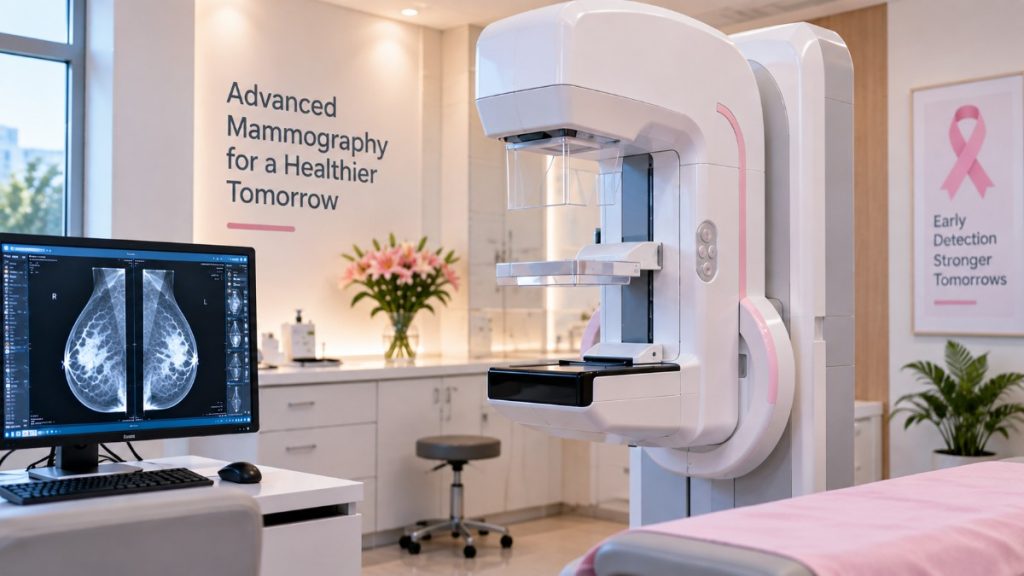
Technology / Equipment
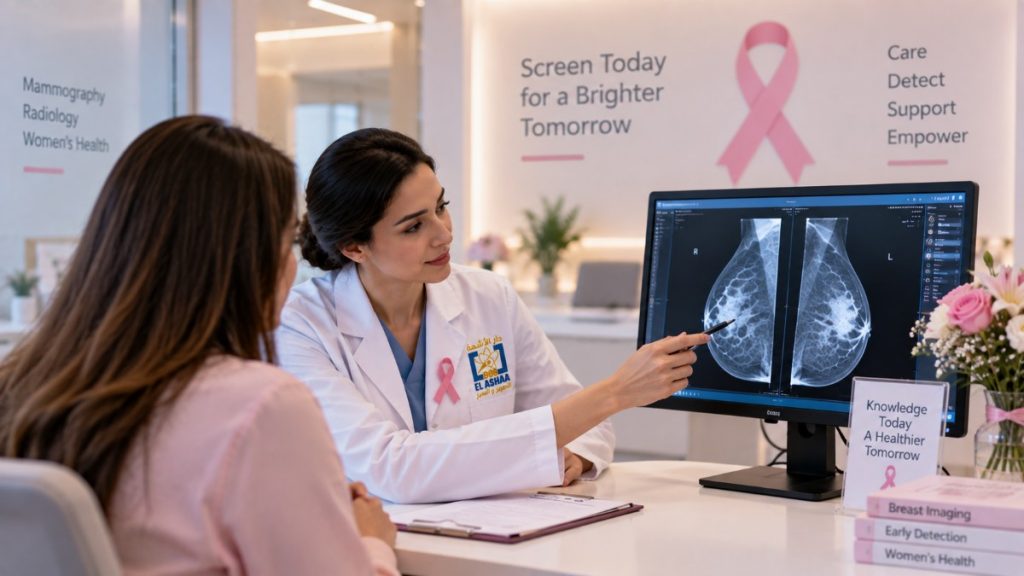
Description: Specialized low-dose digital imaging designed for early detection and evaluation of breast abnormalities, microcalcifications, and early-stage lesions.
Key Benefits: Low-dose high-definition imaging, early detection focus, and conducted by certified technologists and board-certified radiologists.
Preparation Before Examination
Preparation Guidelines:
Topical Restrictions: Do not apply deodorants, antiperspirants, body powders, lotions, or cosmetic creams to the breasts, chest wall, or underarms on the day of the exam (metallic particles in products can mimic microcalcifications).
Wear a comfortable two-piece outfit.
Disclose pregnancy/lactation status, surgical/breast implant history, and bring prior diagnostic breast imaging/reports.
For detailed preparation instructions, please refer to our Patient Guide or contact our team.
Frequently Asked Questions
Find answers to common questions about this service.
Deodorant can show up on the film as mini-clacifications.this could necessitate taking additional unnecessary films.
The American college of radiology recommends that women should have a baseline mammogram between ages 35 and 40.then they should have a baseline mammogram between ages 35 and 40, then they should have one every year until age 75. The younger a woman is, the faster a cancer can grow. There for if a woman have a mammogram annually, cancer can usually be detected in its early stages.
Yes. In fact, mammography is not limited to just females. Men also get lumps and breast cancer, although it is rare.
Questions About This Service?
Our team is here to help. Contact us for more information.


