
Electromyography (EMG)
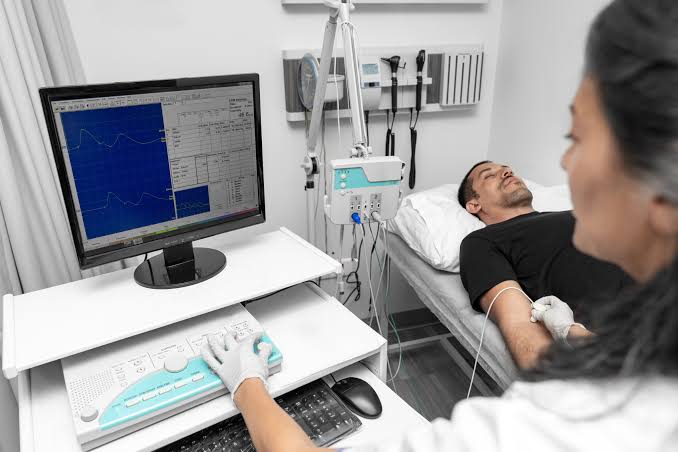
Two-part diagnostic evaluation assessing peripheral nerves and muscle fibers to detect nerve compression (e.g., Carpal Tunnel sciatica) and muscle disorders.
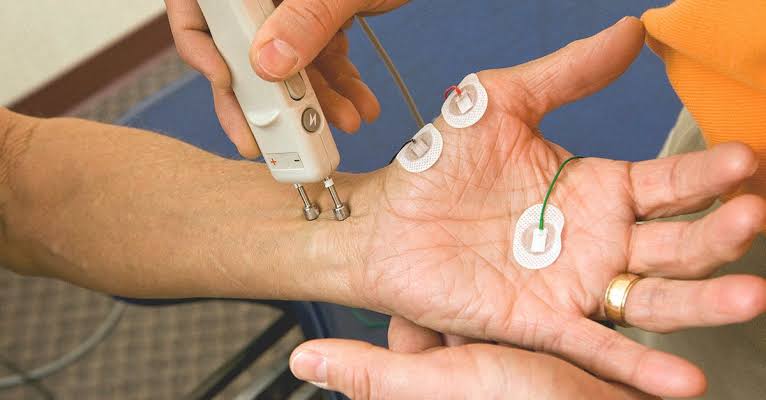
Nerve Conduction Study (NCS): Uses surface sensors to measure electrical signal speeds along nerves.
Technology / Equipment
Electromyography (EMG): Uses a fine electrode needle to evaluate electrical activity directly inside muscle fibers.
Key Benefits: Precise neuromuscular localization and actionable medical insights for surgical or treatment planning.
Preparation Before Examination
Wash arms and legs; do not apply lotions, oils, or creams on the day of the exam (oils block electrode signals).
Wear loose clothing that can easily roll above the knees and elbows.
Keep hands and feet warm (cold extremities affect nerve speeds).
Inform Technologist If You: Take blood thinners (Warfarin, Eliquis, Plavix), have a cardiac pacemaker/implanted device, or suffer from bleeding disorders or myasthenia gravis.
For detailed preparation instructions, please refer to our Patient Guide or contact our team.
Questions About This Service?
Our team is here to help. Contact us for more information.


